 By usasmooths
A future-proof smartphone is more than simply the latest features; it also ensures durability through hardware, software, and flexibility. A phone that lasts for years may resist changes in technology, apps, and user demands. This article delves into the important factors that contribute to a smartphone’s future-proofing, concentrating on the optimal mix of processing power, expandable storage, battery life, software updates, and connectivity. Understanding these fundamental characteristics allows you to make an informed selection that will keep your phone relevant for the foreseeable future.

What Hardware Features Ensure Long-Term Usability?
Processor Power and Upgrade Headroom
A strong CPU is at the core of each smartphone, defining its ability to handle future apps. The latest chipsets not only deliver a seamless user experience now, but also have the processing power to perform more demanding jobs in the future. Look for processors with a modern design that can handle software upgrades and more complicated applications. This headroom guarantees that the phone remains speedy and responsive even after the latest models are launched, making it a long-term investment.
RAM and Storage That Scale With Your Needs
Adequate RAM and expandable storage are essential for a phone to meet escalating demands. With each new software update, programs grow more memory-intensive and need more RAM to run efficiently. Purchasing a smartphone with at least 8GB of RAM assures that it can manage multitasking and resource-intensive programs for years. Furthermore, expandable storage choices allow you to increase capacity as your data storage requirements grow, avoiding the obsolescence of set storage limitations and allowing the phone to store more without slowing down.
Battery Health and Replaceable Components
Battery health is an important aspect of long-term usefulness. As smartphones age, their battery performance often diminishes, limiting how long they can go between charges. Phones with detachable batteries enable simple changes, ensuring that the gadget remains operational without requiring a major overhaul. Smartphones with replaceable components, such as screens and ports, also help to extend the device’s life by reducing the need for a new phone when individual parts fail. These features allow users to maintain their devices over time, keeping them from becoming obsolete due to wear and tear.
How Do Software Support and Security Updates Impact Longevity?
Guaranteed OS Updates for 5+ Years
Regular operating system (OS) upgrades are required to keep a smartphone current and secure. A future-proof phone should have a guarantee of at least five years of OS upgrades. This guarantees that the device has the most up-to-date features, performance improvements, and bug fixes. With the rising complexity of applications and services, having a phone that receives regular upgrades allows it to handle the latest innovations without slowing down. Extended software support improves security by defending against vulnerabilities and ensuring the phone continues to function properly.
Regular Security Patches Protect Against Threats
Security is a critical component in the lifetime of any smartphone. Regular security upgrades are required to safeguard your phone from growing risks like malware and data leaks. Phones that receive regular security upgrades may protect against vulnerabilities, preserving your privacy and protecting your personal information. A phone’s lack of upgrades might make it vulnerable to attacks, leaving it insecure over time. By choosing a device from a manufacturer committed to timely security patches, like the HONOR Magic8 Pro phone in uae, you ensure that your phone remains a safe and reliable tool for years.
Manufacturer Commitment Matters More Than Specs
Even more significant than a smartphone’s features is the manufacturer’s dedication to continuing support. A better long-term experience is produced by a manufacturer who actively maintains its gadgets and ensures regular upgrades, as opposed to one who just concentrates on physical specifications. Important factors to take into account should be software lifetime, repairability, and customer service. No matter how old the hardware is, a company with a solid reputation for offering long-term upgrades makes sure that its products stay effective, safe, and usable throughout the duration of their lives.
Can a Smartphone Adapt to Tomorrow’s Apps and Trends?
5G, Wi-Fi 6E, and Connectivity Flexibility
The capacity to handle cutting-edge connections is critical for future-proofing a smartphone. 5G connectivity provides higher speeds and lower latency, preparing the phone to handle the bandwidth requirements of tomorrow’s apps. Additionally, Wi-Fi 6E enables quicker and more effective wireless connections, making it perfect for smart homes and data-intensive jobs. Future-proof smartphones should support a variety of connectivity choices, including Bluetooth and NFC, to ensure compatibility with upcoming technologies such as IoT devices and new network protocols. These characteristics ensure that the phone can easily adapt to evolving internet and device needs over the next few years.
Modular Design and Repairability Options
Smartphones with modular designs or repairability options are better positioned to respond to future trends. Instead of purchasing a completely new handset, consumers with modular phones may change specific components such as the camera, battery, or storage. This adaptability not only extends the phone’s life but also allows it to develop when new features or technologies become available. With an emphasis on repairability, customers may maintain their gadgets by replacing just worn-out parts, avoiding electronic waste and long-term cost savings.
Ecosystem Integration for Seamless Upgrades
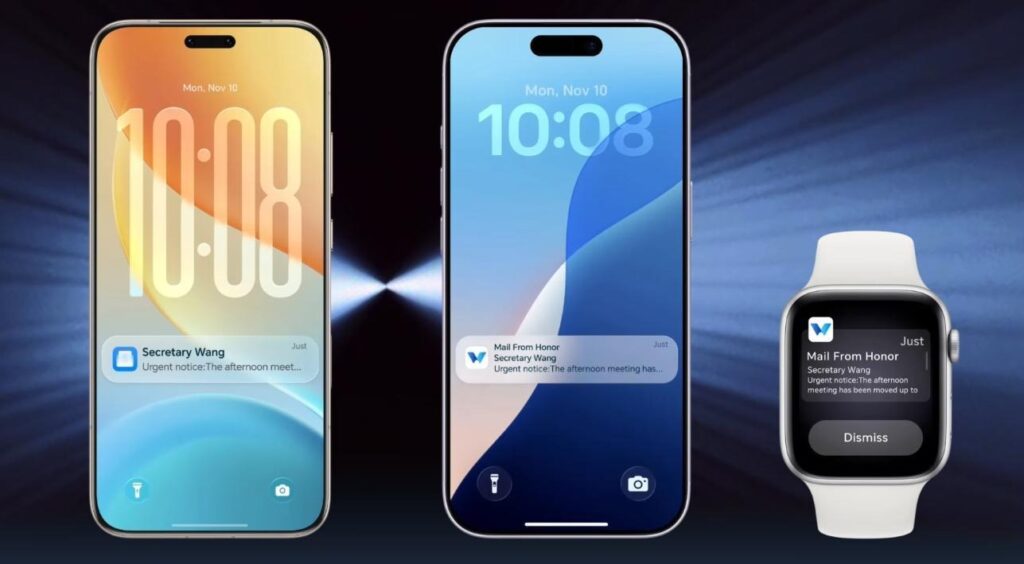
Smartphones that are part of a larger ecosystem can allow an easier transition to new devices. Phones, for example, that integrate smoothly with other products in the brand’s ecosystem, such as tablets, smartwatches, and laptops, allow customers to switch between devices without interruption. This ecosystem connection enables a more fluid update process by allowing customers to continue utilizing their existing accessories, applications, and services. A future-proof smartphone prioritizes ecosystem compatibility, resulting in a consistent experience and making it easier to accept new technologies and trends as they develop.
Conclusion
Investing in a future-proof smartphone entails selecting a device with powerful hardware, long-term software support, and flexibility to upcoming trends. By focusing on processing power, RAM, battery health, and networking choices, you can keep your smartphone current for years. The manufacturer’s dedication to updates and repairability extends the device’s life and adds value much beyond its initial release. As technology advances, a future-proof phone will smoothly adapt, providing a dependable and secure experience for many years. With the proper features, your smartphone will be prepared for whatever the future brings.