 By usasmooths
 Many homeowners focus on the purchase price when comparing generators, but long-term ownership costs reveal a very different picture. Fuel consumption, maintenance habits, repair risks, and installation requirements can push lifetime expenses far beyond the initial number on the box. Even two generators with similar wattage can produce dramatically different long-term financial commitments because their operating systems and lifecycle patterns differ. Solar generators shift this equation further by reducing ongoing costs and replacing fuel-driven expenses with energy efficiency. A system like the Anker SOLIX C2000 Gen 2 paired with a 400W solar panel changes how homeowners evaluate the true cost of generator for home use. Understanding each layer of ownership helps buyers make clearer, more predictable financial decisions.
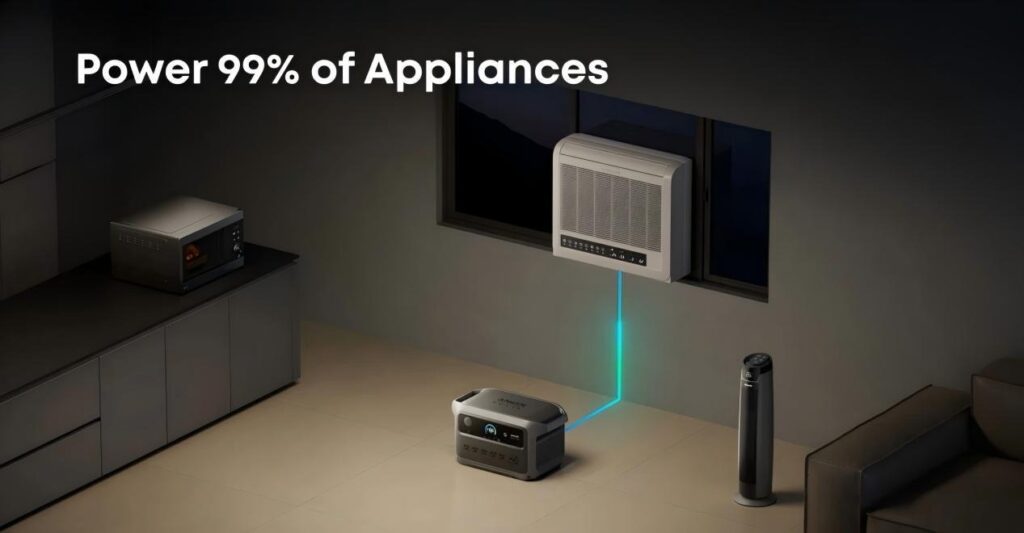
The upfront purchase price matters, but it rarely reflects the full financial commitment. Fuel generators appear inexpensive at checkout, yet they bring a lifetime of fuel demand, tune-ups, and part replacements. Standby systems cost more due to installation and higher output, but their long-term stability attracts buyers who prefer automatic backup. Solar generators take a different approach by shifting costs into battery design, efficient inverters, and solar panel engineering. The C2000 Gen 2, which offers a powerful 2,400W rated output and 4,000W peak, delivers long runtimes without depending on fuel. Its solar recharge capability means homeowners often offset part of the initial purchase through long-term energy savings. In this sense, price becomes a starting point rather than a complete financial description.
Fuel consumption is often the highest ongoing cost for combustion generators. Running a generator for hours or days during an outage can burn through tanks quickly, especially when powering high-demand appliances. Fuel prices fluctuate, adding unpredictability to long-term budgeting and increasing the overall cost of generator for home use over time. Solar generators eliminate these variable costs entirely. With the C2000 Gen 2, homeowners recharge through solar or AC without buying gasoline or propane, which steadies long-term ownership costs. Its 23% efficiency monocrystalline solar panel captures and converts sunlight into reliable power, and the adjustable angles improve harvesting even in less-than-ideal conditions. Energy independence reshapes the cost equation by replacing volatility with predictability. Over years of use, this is often where the financial gap between generator types becomes clearest.
Mechanical generators require oil changes, filter replacements, tune-ups, and periodic repairs. Failure to maintain them increases repair frequency, accelerates wear, and raises the total cost of ownership. Many buyers underestimate this part of generator ownership, especially when the generator sits unused for long periods. Solar generators reduce this category dramatically because they operate without combustion engines. The C2000 Gen 2 uses electronic management systems and durable components protected by stable charging temperatures and IP67-rated solar panels. With fewer mechanical dependencies, homeowners avoid surprise expenses tied to breakdowns or heavy-use strains. The difference between minimal maintenance and monthly upkeep affects long-term budgets more than purchase price alone, especially over ten or fifteen years of ownership.
Installation costs vary widely based on generator design. Standby generators require labor-intensive work—mounting, wiring, transfer switches, fuel line connections—and these steps often double the total out-of-pocket cost. Portable gas generators need less setup but still require accessories such as fuel storage, ventilation planning, and safe outdoor positioning. Solar generators streamline this process significantly. The C2000 Gen 2 arrives with MC4 cables, AC chargers, and easy setup steps, enabling homeowners to begin using backup power without structural modifications. The TT-30 port supports RVs, which also expands usability without extra investment. When installation requires no specialist labor, homeowners keep long-term costs anchored around predictable usage rather than unpredictable service labor.
A generator’s repair pattern often determines whether long-term ownership remains affordable. Gas engines may require part replacements tied to wear, lubrication, and age. Electrical failures, carburetor issues, or clogged fuel lines can produce immediate, costly service needs. Solar generators avoid these common repair paths because they rely on battery management systems and solid-state components. With the C2000 Gen 2, runtime extends without mechanical strain, and its low idle consumption of just 9W reduces stress on the system. A generator that stays efficient under light and heavy use produces fewer surprises in repair bills. High build quality may increase upfront cost but reduces the chance of mid-life expenses that undermine total value.
Different households experience different blackout frequencies, and each pattern affects cost distribution. High-demand homes strain fuel-based generators and increase their operating costs. Occasional-use homes may see infrequent fuel purchases but still require yearly maintenance to prevent engine deterioration. Solar generators create a more consistent ownership pattern because recharging does not introduce fuel expenses or wear-related penalties. The C2000 Gen 2 suits both daily charging routines and emergency backup needs, making it cost-effective in households with varied runtime patterns. Some homeowners also use it for energy savings outside of outages, reducing grid dependence and extending the generator’s financial value beyond emergency performance.
Generator ownership costs extend far beyond the purchase price. Fuel consumption, installation requirements, maintenance habits, repair risks, and usage patterns all contribute to a complete picture of long-term spending. While traditional fuel generators bring predictable upfront pricing, they introduce variable and often significant operating and maintenance costs over time. Solar generators, such as the Anker SOLIX C2000 Gen 2 paired with a 400W solar panel, reshape this cost structure by eliminating fuel purchases and reducing mechanical upkeep. Understanding these financial layers helps homeowners select a generator that not only fits their budget today but continues to deliver stable, predictable value throughout its lifespan.