 By usasmooths_sd16dh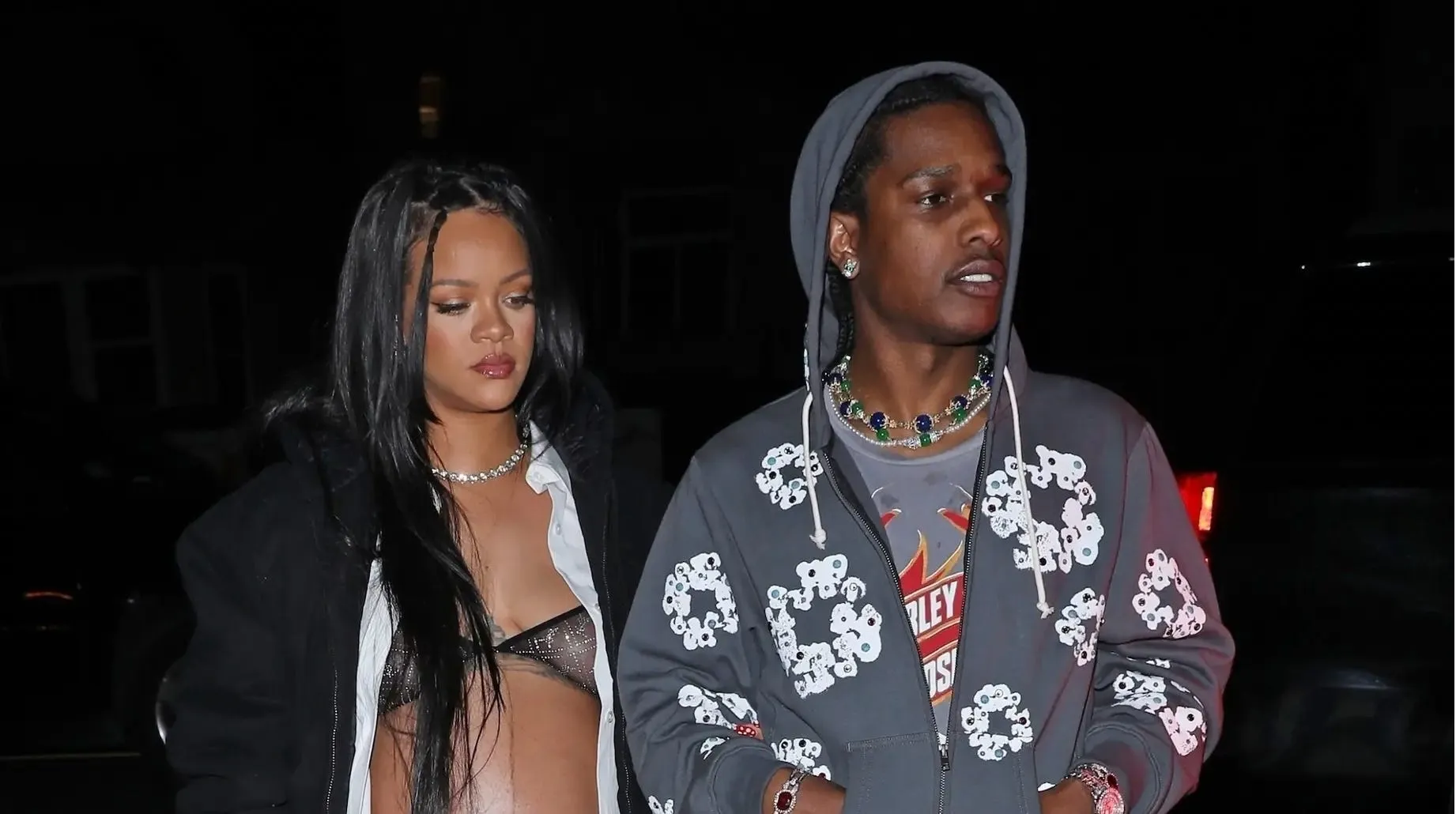
Denim Tears was founded in 2019 by Tremaine Emory, a creative visionary known for his deep connection to culture, history, and fashion. The brand was born out of Emory’s desire to tell stories about the African diaspora through wearable art. Drawing from his background in fashion and his work with influential figures like Kanye West and Virgil Abloh, Emory used Denim Tears to merge style with social consciousness. The brand’s debut collections immediately stood out for their symbolic imagery, intricate storytelling, and strong commentary on race, identity, and historical memory.
Tremaine Emory’s vision for Denim Tears extends far beyond fashion; it is a cultural statement. As a designer and activist, he aims to confront the painful realities of Black history while celebrating resilience and creativity. His work reflects both grief and pride—acknowledging slavery’s legacy while honoring the beauty of Black expression. Emory believes clothing should speak truth, not just follow trends. His approach fuses historical awareness with contemporary design, creating pieces that encourage dialogue. Through Denim Tears, Emory challenges viewers to rethink what fashion represents in society and who it serves.
One of Denim Tears’ most powerful motifs is the cotton wreath, featured prominently across its denim collections. The design symbolizes the history of slavery and the exploitation of Black labor in America’s cotton fields. Yet, it also represents reclaiming power—transforming a painful symbol into one of resilience and dignity. Emory uses the wreath to honor the memory of enslaved ancestors while asserting their unbreakable legacy. By wearing the cotton wreath, individuals acknowledge a shared history and contribute to keeping those stories alive, turning remembrance into a form of resistance and pride.
Denim Tears’ collaboration with Levi’s marked a pivotal moment for both brands. Emory reimagined the classic Levi’s 501 jeans, incorporating symbols that highlight the Black experience in America. The partnership was not merely commercial; it was historical. By working with an iconic American brand rooted in workwear and industry, Emory inserted the voices of enslaved and oppressed Black laborers into the fabric of American fashion history. This collaboration served as a bridge between past and present, showing how fashion can serve as a powerful medium for truth-telling, healing, and cultural reclamation.
Each Denim Tears collection tells a story grounded in Black history, spirituality, and identity. Emory integrates visual references, from African symbols to gospel and jazz influences, creating garments that feel like cultural artifacts. His storytelling extends beyond aesthetics—it embodies a message. The prints, colors, and textures evoke emotion, forcing viewers to engage intellectually and empathetically. Every piece becomes a conversation about who we are and where we come from. Through design, Emory ensures that the history of Black people is neither ignored nor forgotten but celebrated with depth and dignity.
Denim Tears does not shy away from pain; instead, it transforms it into a tool for healing. Emory often describes his work as a dialogue with trauma, particularly the collective trauma of slavery and racism. By confronting uncomfortable truths, he encourages emotional catharsis and cultural connection. The act of wearing Denim Tears is symbolic—it turns remembrance into empowerment. Emory’s use of denim, a fabric historically tied to labor and survival, emphasizes endurance. His designs speak to the process of healing through acknowledgment, urging wearers to find beauty in resilience and collective memory.
For Tremaine Emory, denim is more than a material—it is a metaphor for struggle and strength. Historically worn by workers, denim symbolizes perseverance, and Emory transforms it into a medium for protest and expression. His work challenges the fashion industry’s tendency to overlook marginalized narratives, reclaiming denim’s roots in labor and oppression. By reinterpreting this fabric, Emory connects modern streetwear to centuries of endurance. Denim Tears thus becomes both art and activism, proving that fashion can be revolutionary when used to question systems of power and amplify unheard stories.
Beyond its collections, Denim Tears thrives on collaboration and community engagement. Emory frequently partners with artists, musicians, and activists who share his vision of cultural awareness and empowerment. These collaborations expand the brand’s influence, connecting diverse creative communities while reinforcing its social message. Denim Tears often supports educational and historical initiatives, contributing to conversations about race, art, and justice. By merging culture with compassion, the brand builds bridges between generations and communities. Its impact extends far beyond the runway, inspiring collective responsibility and pride in cultural heritage.
Denim Tears blurs the line between fashion and activism, making every piece a political statement. Emory uses his platform to challenge systems of inequality within the fashion world and society at large. He rejects the idea that style should be separated from substance, believing that fashion can drive real change when rooted in authenticity. Denim Tears garments often appear in protests, art installations, and cultural exhibitions, reinforcing their symbolic power. By merging activism with design, Emory redefines what it means to be a designer—turning creativity into a form of social resistance.
Denim Tears continues to shape the conversation around race, memory, and identity in modern fashion. Its influence reaches across generations, reminding people of the importance of history and representation. Tremaine Emory’s dedication to storytelling ensures that the legacy of Black struggle and triumph remains visible and respected. The brand’s authenticity resonates globally, proving that meaningful art always transcends trends. Denim Tears Tracksuit stands as a testament to the idea that fashion can heal, educate, and empower. It embodies both remembrance and revolution—a lasting symbol of pride, resilience, and truth.
 IQnewswire
  usasmooths