 By usasmooths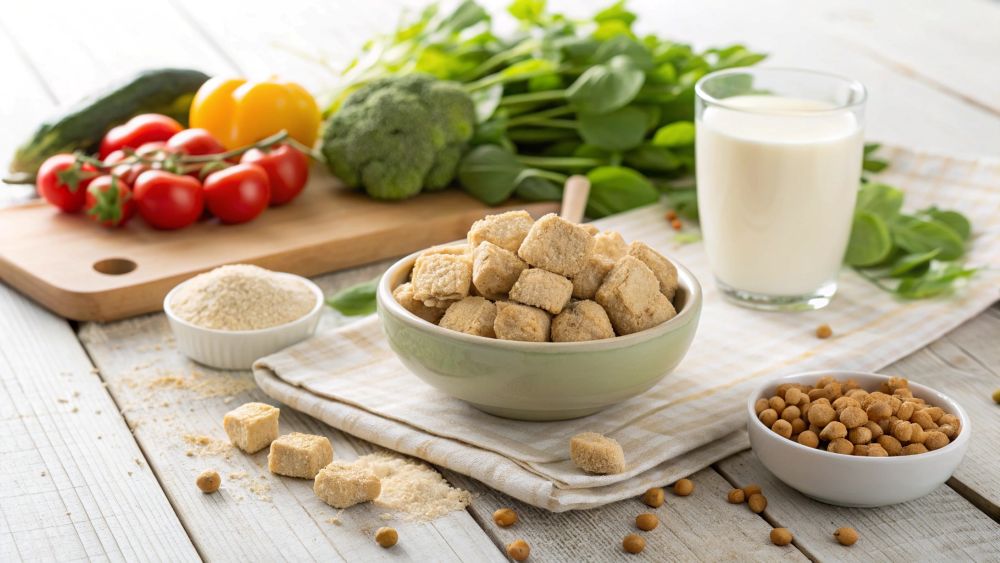
Insoya has rapidly become one of the most talked-about ingredients in modern diets, especially as more people shift toward plant-based nutrition and healthier lifestyle choices. Once viewed simply as a soy-derived food product, it has evolved into a widely recommended nutritional option backed by fitness coaches, medical professionals, dietitians, and everyday consumers.
The affordability, nutritional strength, and versatility of Insoya are the main reasons behind its growing popularity, making it a valuable addition to homes, weight-loss routines, fitness plans, and wellness programs around the world. Today, as people prioritize clean eating, sustainable choices, and functional foods that support long-term health, Insoya stands out as one of the most efficient plant-based proteins available.
Insoya is a concentrated soy-based food created through the extraction of high-quality protein from soybeans. This extracted protein is then processed into different usable forms such as soy chunks, granules, flour, textured pieces, and protein isolates. Each form serves a unique culinary purpose, but all share the same core qualities: high protein, minimal fat, zero cholesterol, and an impressive nutrient profile.
Because of its long shelf life, stability, and cost-effectiveness, Insoya has become a preferred alternative to meat in households, restaurants, and food industries. It is especially popular in vegetarian and vegan diets, although non-vegetarians also include it as a healthy protein source due to its ease of digestion and exceptional nutritional density.
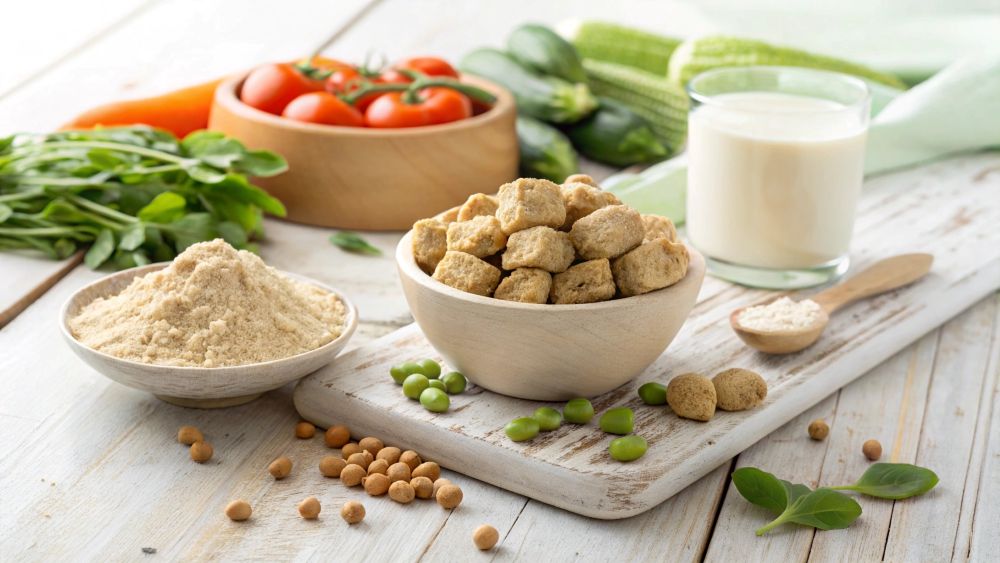
The rising interest in Insoya is not just a passing trend; it reflects a global shift in how people view food and health. In recent years, plant-based eating has gained significant attention as individuals seek healthier and more environmentally friendly dietary options. Fitness culture has also expanded, encouraging people to include more protein in their daily meals to support strength and recovery.
At the same time, rising food prices have pushed consumers to search for nutrient-rich foods that are not only healthy but also economical. Insoya fits perfectly into all three of these categories, combining affordability with high-quality nutrition.
One of the strongest reasons behind Insoya’s popularity is its exceptional nutrient composition. A 100-gram serving of Insoya typically provides around 52 to 55 grams of protein, along with 330 to 340 calories, roughly 30 grams of carbohydrates, and about 13 grams of digestive fiber. The fat content is extremely low, usually around one gram, making it suitable for heart-conscious diets.
It is naturally free from cholesterol and provides generous amounts of iron, moderate levels of calcium, and balanced quantities of magnesium and potassium. When compared to traditional protein sources such as eggs, chicken, and red meat, Insoya often delivers higher protein at a fraction of the cost while offering additional digestive and cardiovascular advantages.
Insoya is widely praised for its wide range of health benefits, making it suitable for people of all ages and lifestyles. One of its most recognized strengths is its ability to support muscle repair, strength, and recovery due to its rich amino acid composition. This quality makes it especially useful for fitness enthusiasts and athletes who aim to build lean muscle mass without consuming excessive fat.
Insoya is also considered heart-friendly because of its zero-cholesterol nature and extremely low saturated fat content. Regular consumption can help reduce LDL cholesterol levels, support healthy blood flow, and lower the risk of cardiovascular diseases. Another major benefit of Insoya is its effectiveness in weight management.
Its combination of high protein and dietary fiber helps improve satiety, keeping hunger under control and reducing overall calorie intake. Many weight-loss programs include Insoya because it prevents overeating and stabilizes blood sugar levels, allowing individuals to maintain energy without sudden spikes in appetite.
Additionally, the fiber in Insoya contributes to improved digestion, smoother bowel movement, and better gut health, making it a valuable ingredient for those who struggle with constipation or digestive discomfort.
Insoya offers targeted benefits to both men and women. For men, the high protein content supports muscle development, enhances endurance, and aids workout recovery. Contrary to common myths, moderate soy intake does not negatively affect testosterone levels; in fact, it helps maintain hormonal balance and supports overall vitality.
For women, Insoya provides iron and calcium that help strengthen bones, regulate hormones, and improve skin elasticity. It also plays a supportive role in post-pregnancy weight management and long-term metabolic health. These advantages make it a reliable nutritional option across genders and age groups.
Insoya is safe for everyday consumption as long as it is eaten in moderate amounts. Health experts generally recommend around 25 to 30 grams per day for beginners, 40 to 50 grams for active individuals, and up to 60 grams for those involved in intense physical training. Drinking sufficient water is important when consuming Insoya regularly, as protein-rich foods require hydration for proper digestion and nutrient absorption.
Side effects are rare but may include temporary bloating, mild gas, or discomfort if consumed in excessive quantities. People with soy allergies should avoid it, and those with thyroid issues should maintain a balanced intake along with proper iodine consumption.
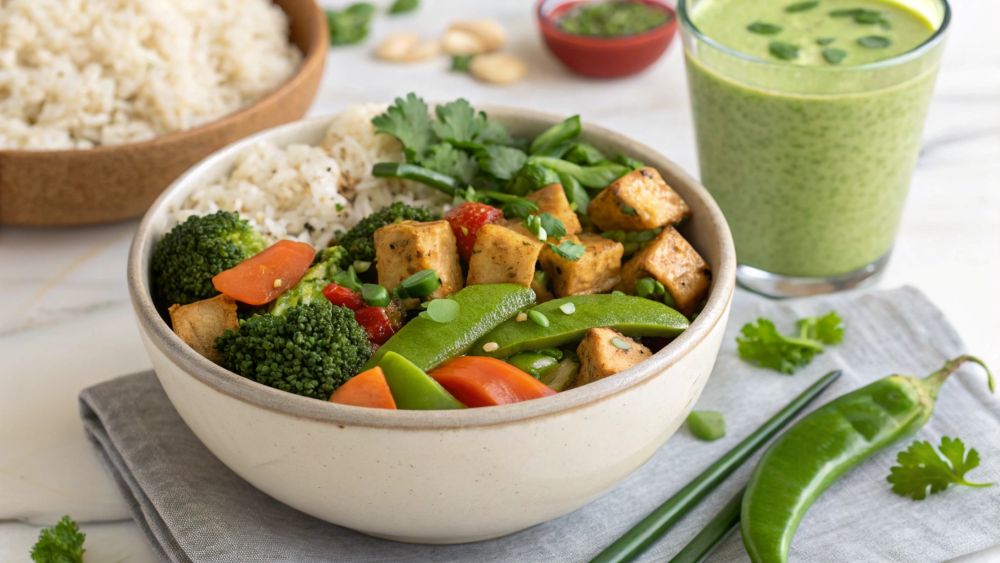
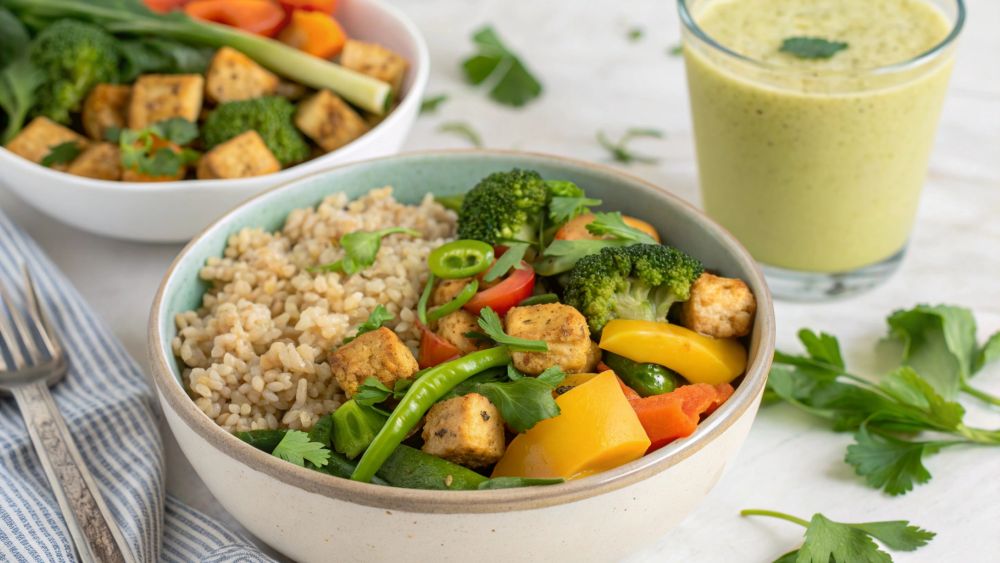
One of the reasons It has become a household favorite is its ability to adapt to countless recipes and cuisines. It absorbs flavors effortlessly, making it suitable for curries, stir-fries, salads, snacks, and even desserts. Popular dishes include It curry made by cooking softened soy chunks with spices, tomatoes, and onions; It cutlets prepared by mixing boiled chunks with potatoes and seasonings.
It pulao, which combines rice, vegetables, and tender soy pieces for a wholesome meal. It can also be blended into smoothies, baked goods, and protein-rich breakfast dishes. Whether used in traditional meals or modern recipes, It adds nutrition without overpowering the natural taste of other ingredients.
For individuals managing diabetes, It can be a valuable addition to the diet. It has a low glycemic impact, meaning it does not cause rapid spikes in blood sugar. Its protein and fiber content contribute to slower digestion and steadier energy release, which helps control cravings and maintain insulin sensitivity. When prepared without heavy oils or sugary sauces, It becomes an excellent option for stable blood sugar management and long-term dietary balance.
Selecting the right type of It is essential for both safety and taste. Good-quality It has a clean aroma, a natural light-brown appearance, and a dry, firm texture. Always choose products in airtight packaging with clear expiry dates. Avoid packets that smell musty, look dusty, or appear damp, as these may indicate contamination or poor storage. Ensuring quality helps you get the best nutritional value and flavor from every meal.
It can be eaten at virtually any time of the day, depending on your health goal. Eating it in the morning provides sustained energy throughout the day, while consuming it after a workout helps muscles recover quickly. Including it at lunch supports fullness and prevents mid-day cravings. Lightly cooked forms can also be enjoyed in the evening as part of a balanced dinner. The only time to avoid heavy servings is late at night, as the body digests protein more efficiently earlier in the day.
Dietitians and doctors frequently recommend It because it delivers the benefits of high-quality protein without the downsides of saturated fats, cholesterol, or heavy digestion. It supports muscle growth, metabolism, and cardiovascular health, while also fitting into vegetarian, vegan, and non-vegetarian diets. It is suitable for children, adults, seniors, and fitness-conscious individuals alike. Its nutritional density, affordability, and adaptability make it a practical everyday ingredient for maintaining long-term wellness.
Insoya has established itself as one of the most effective and accessible plant-based foods available today. Its rich protein content, heart-friendly nature, digestive benefits, and ability to support weight management make it a superior preference for all people seeking to enhance their diet. Whether your goal is to build muscle, lose weight, increase energy, or simply adopt a healthier lifestyle, It provides balanced nutrition without unnecessary cost or complexity.
As global interest in clean and sustainable eating continues to rise, It stands out as a complete, reliable, and health-boosting food that fits effortlessly into modern living. Adding it to your routine is not just a dietary choice—it’s a smart step toward long-term wellness.
It is a soy-based nutritional ingredient known for its versatility, plant protein content, and digestive-friendly profile. It has gained popularity because it supports balanced nutrition, fits multiple diets, and adapts easily to both sweet and savory dishes.
Yes, It can be consumed daily in moderate amounts. Its high protein, fiber, and mineral content make it suitable for regular use, especially for people looking to improve digestion, boost energy levels, or maintain a plant-focused diet.
It supports gut health, provides steady energy, promotes heart health, and helps with muscle maintenance. Its rich nutrient profile—especially protein, iron, calcium, and antioxidants—offers overall wellness benefits.
It can be added to smoothies, breakfast bowls, soups, baked items, energy snacks, and savory side dishes. Because it blends well with other ingredients, it enhances both texture and nutritional value in many recipes.
Absolutely. It is plant-based and free from animal products, making it an excellent protein source for people following vegan or vegetarian diets. It also supports muscle recovery and overall nutrition without relying on dairy or meat.
In most cases, It is safe when consumed in recommended amounts. However, individuals with soy allergies or very sensitive digestion should introduce it gradually. If you experience discomfort, it’s best to adjust the portion or consult a nutrition professional.
- The Ultimate Guide to ECMISS for Digital Businesses
- The History and Meaning Behind Denim Tears
- EO PIS: Modern Framework for Executive Performance
- Exploring the Future of Electricity and New Power Technologies
 Rahul Jain