 By usasmooths
 AI motion detection in security cameras enhances home safety by accurately detecting and responding to movements. Gone are the days of countless false alerts triggered by rustling leaves or fleeting shadows. Instead, AI technologies distinguish between actual threats and minor distractions, offering peace of mind and efficiency. This guide unravels how AI motion detection works, its benefits, and how to optimize its settings for your home. Explore the intricacies of this technology and learn how leveraging its capabilities can lead to smart, responsive, and secure environments.
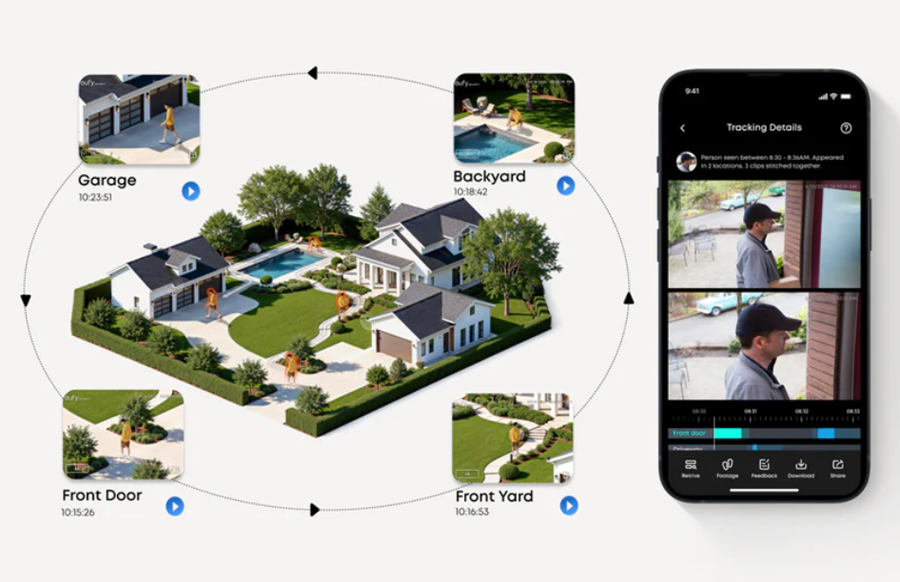
AI motion detection translates to smarter security systems that know when to alert you. It distinguishes between human activities, vehicles, and pets, so you only get notified for significant movements. For instance, while old systems might alert you to the wind rustling through the trees, AI-enabled systems reserve notifications for when someone approaches your door. This realism in detection ensures users aren’t bombarded with unnecessary notifications, making security management more intuitive and less intrusive on daily life. Choosing systems equipped with AI means safeguarding what truly matters, without the noise of irrelevant disruptions.
Initially, cameras sense motion through either Passive Infrared (PIR) sensors or pixel change detection. PIR sensors detect body heat and movement, activating only upon a shift in infrared energy. This results in reduced false alarms, as random environmental shifts like trees moving won’t trigger them. In comparison, pixel-based motion detection responds to changes in pixels between frames, potentially causing more alerts for slight variations. Both strategies lay the groundwork for AI processing, filtering out potential noise before passing relevant data to the intelligent systems for further analysis.
Once motion is detected, cameras deploy AI models to classify the objects in view. These models analyze data to determine if the object is human, animal, or a vehicle. By applying algorithms trained on vast databases, the camera becomes capable of identifying threats and ignoring non-issues. This object classification reduces unnecessary alerts, focusing user attention on relevant and potentially dangerous activities. Thus, AI models form the crux of smart security, discerning between recreational and suspicious movements with precision.
Upon classifying the object, the system promptly sends an alert to the connected app, while preserving a video clip of the incident. This ensures users have immediate access to real-time information, potentially escalating a response if necessary. Saving footage offers a visual record of events, crucial for reviewing incidents and evidence collection. This integration of alerting and recording underscores the seamless interaction between hardware and user interfaces, marrying real-time responsiveness with archival capabilities.
PIR motion sensors are adept at filtering out irrelevant movements because they detect only changes in heat. This specificity drastically reduces the number of false alarms, ensuring users are less bothered by mundane triggers like branches or passing clouds. As a result, fewer distractions mean that real threats stand out more, facilitating faster, more decisive actions. Hence, PIR’s efficiency stems from its ability to exclude noise by focusing purely on human or large animal presence.
Pixel motion detection scrutinizes changes in visual frames, often leading to over-sensitive setups. Any modification in the visual scene, from minute lighting shifts to passing insects, can trigger an alert. This high reactivity causes a barrage of notifications, making it harder to separate meaningful alerts from the trivial. While this method is good for capturing every motion, it lacks the discernment level that modern AI introduces. Balancing sensitivity is key to preventing alert fatigue.
AI detection excels at filtering out background noise by employing advanced algorithms that learn and adapt. Through pattern recognition, AI distinguishes relevant information from inconsequential events. This adaptability means AI can ignore leaves blowing or light changes, focusing instead on real security issues. AI’s noise filtering ability is pivotal in maintaining a thin line between vigilance and peace at home, striking the right balance in responsiveness.
Human detection reduces false alerts by ensuring only significant activities prompt notifications. Rather than alerting every time the camera senses any motion, AI recognizes human shapes and activities, dramatically cutting down on irrelevant alerts. This specificity fosters a more rational security approach, where users gain confidence that when their phone buzzes, it’s for a potentially actionable event.
Vehicle detection provides security enhancements by alerting users to activities involving cars. For homes with driveways or those facing streets, this capability is essential. Recognizing unauthorized vehicles can be key in preventing theft and alerting homeowners to potential intruders. It’s a crucial component for maintaining awareness of activities near your property’s perimeter, ensuring safety and vigilance specific to vehicle interactions.
With pet detection, owners enjoy comfort knowing their furry friends won’t trigger unnecessary alerts. This technology discerns between pets and intruders, affording freedom for animals to roam without events firing off alerts. By accurately distinguishing between domestic pets and potential threats, the system offers meticulous safeguarding for areas like yards and back doors, where animals frequently roam.
Face recognition adds a new layer of personalization to security systems, recognizing familiar faces and ignoring them in alerts. This boosts both privacy and accuracy, as trusted individuals don’t inadvertently cause notifications. Moreover, it strengthens system efficiency by focusing on strangers, diminishing unnecessary alarms for known faces. However, users must weigh the privacy aspects of storing and analyzing facial data, even as convenience increases.
AI tracking refines footage by focusing on moving elements, ensuring that video clips capture the whole story. Coupled with smart zones, where the user designates priority areas, cameras intelligently focus their attention. This alignment allows for detailed and relevant footage collection, vital for comprehensive evidence when incidents occur. The combination empowers users to customize their surveillance fields to cater to their specific security needs.
By accurately discerning between noteworthy threats and harmless motions, AI motion detection drastically reduces false alarms. This fine-tuning means that users receive fewer distracting notifications, mitigating alert fatigue and allowing them to focus only on significant events. The reduction in redundant alerts enhances security system credibility and operational efficiency, reassuring users of its reliability.
With AI motion detection, alert accuracy improves, which helps users respond more quickly to potential threats. The reduced number of false positives means real alerts stand out, prompting swift actions when necessary. This refined alert system speeds up response times, increasing the chance of diffusing situations before they escalate into actual incidents, making your home a safer space.
AI ensures recording begins at the appropriate moment, capturing events precisely as they unfold. This guarantees better evidence collection, offering a comprehensive view of incidents. Instead of receiving fragmented footage, users retrieve clips with entire sequences, vital for understanding an event’s context. Enhanced evidence bolsters any needed response, be it for authorities or insurance purposes, fortifying the security setup.
Integrating AI motion detection allows the seamless activation of connected devices like lights and sirens. These automated responses can deter potential intrusions instantly. Moreover, users can establish routines that align with their habits and preferences, adapting home actions based on AI cues. This intelligent interaction between AI and devices creates a dynamic environment ready to react instantly, enhancing home safety measures.
Correct camera placement is essential for effective AI motion detection. Mounting cameras at a suitable height ensures comprehensive coverage without obstruction, while facing away from light sources like the sun minimizes lens flare and visual confusion. Consider positioning in key areas such as entry points and paths to capture critical angles. Proper placement optimizes field of view and detection accuracy, providing a solid foundation for your AI-enhanced security system.
Defining motion zones in areas that matter while excluding busy spots is critical. By creating and focusing on specific zones, users tailor the detection fields to their security priorities, avoiding excessive notifications from high-traffic areas like roads. Strategic zoning ensures the system alerts users about movements in crucial areas, such as near doors or windows, where breaches are more likely to occur, maximizing the setup’s relevance.
Fine-tuning sensitivity reduces unnecessary alerts while maintaining vigilance. Start by setting sensitivity high to understand typical motion patterns, then adjust incrementally. Assess the environment’s activity levels and refine settings to match desired alert frequency. This balance ensures that significant movements generate notifications while reducing the trivial, enhancing AI motion detection’s practicality and reliability in achieving refined security conditions.
Implementing activity schedules based on regular routines minimizes irrelevant alerts. By scheduling activations during high-risk periods and deactivating during low-risk times, users improve the relevance of notifications received. This customization acknowledges typical household activities, allowing AI to align its monitoring with expected behaviors, reducing background noise, and enabling a targeted security focus aligned with users’ daily rhythms.
Selecting optimal recording settings is vital for comprehensive coverage. High-quality resolution and appropriate frame rates ensure clear recordings, capturing critical moments effectively. Assessing storage capabilities and matching recording length recommendations with potential incident durations guarantee all details are documented. Intelligent configurations save space yet ensure no important event goes unrecorded, striking an optimal balance in security management.
On-device AI provides exceptional speed and reliability by processing data locally. The independence from ongoing internet connectivity means fewer outages disrupt operations. Moreover, data stays within the device, bolstering privacy and diminishing risks associated with cloud vulnerabilities. This local processing promotes quick alert reactions, delivering rapid responses without extensive dependencies, making on-device AI an attractive security proposition.
Cloud AI offers expansive storage capabilities and advanced analytical features. Processing data in the cloud enhances pattern recognition and trend analysis, offering in-depth security insights. Users benefit from powerful search functions, sifting through vast archives swiftly. Despite potential privacy concerns associated with cloud data, the enriched analytics provide users valuable context, aiding long-term security planning.
Combining on-device and cloud AI creates a hybrid model balancing privacy, speed, and analytical depth. On-device AI handles timely decisions, ensuring rapid responses while cloud AI aggregates and analyzes broad data scopes. This synergy capitalizes on both systems’ strengths, offering responsive yet data-rich security infrastructure. Hybrid setups cater to diverse needs, from real-time interventions to intricate threat assessments.
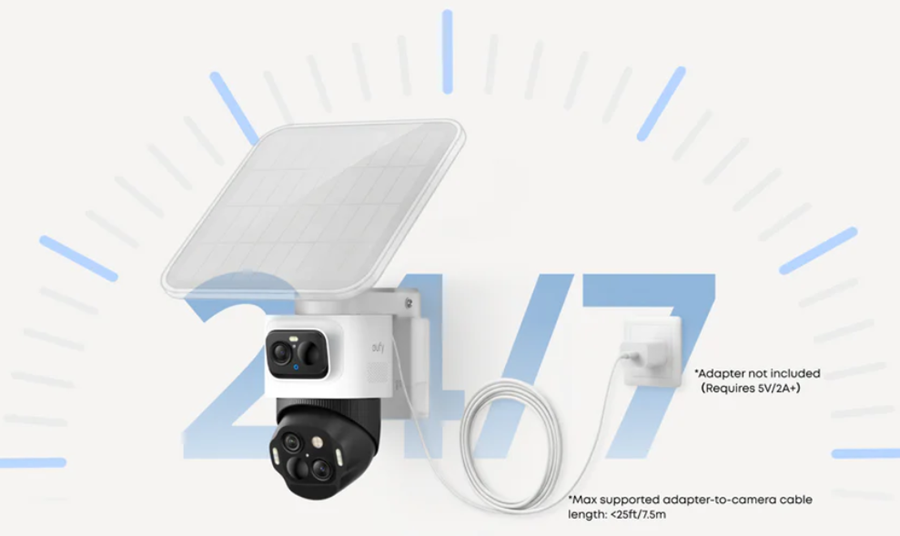
The eufy Security Cameras stand as premier examples of AI in action. With features like human detection and smart zones, they offer tailored security for varied needs. Their models provide unique configurations for different settings, whether monitoring expansive yards or focused indoor activity. With eufy’s dedication to privacy and responsive technology, users find reliable setups for their specific security concerns, underscoring their versatile range.
AI motion detection transforms security by distinguishing between real threats and benign motions. Its intelligent features streamline home safety, offering precise alerts and comprehensive evidence, while reducing false alarms. By understanding AI’s capabilities and proper configuration, homeowners achieve greater peace with fewer distractions. Whether using on-device, cloud, or hybrid solutions, the combined technological efficiencies provide dynamic, responsive environments. eufy Security Cameras exemplify how modern AI innovations seamlessly integrate into daily life, boosting security and providing confidence in safeguarding what matters most.