 By usasmooths
 Reliable electricity supports nearly every part of modern daily life, from keeping food fresh to charging communication devices. When storms, heat waves, or unexpected grid failures interrupt that supply, households often realize how dependent they are on continuous power. A solar battery offers a practical and increasingly common solution by storing energy ahead of time and releasing it only when needed. Instead of scrambling for candles or worrying about spoiled groceries, homes equipped with this technology can maintain basic comfort and safety. In this article, the working principles, real-life benefits, and everyday use cases of solar batteries during power outages are explained clearly and practically.
1. It Stores Solar Energy When the Sun is Shining
Solar Panels Generate Electricity During the Day
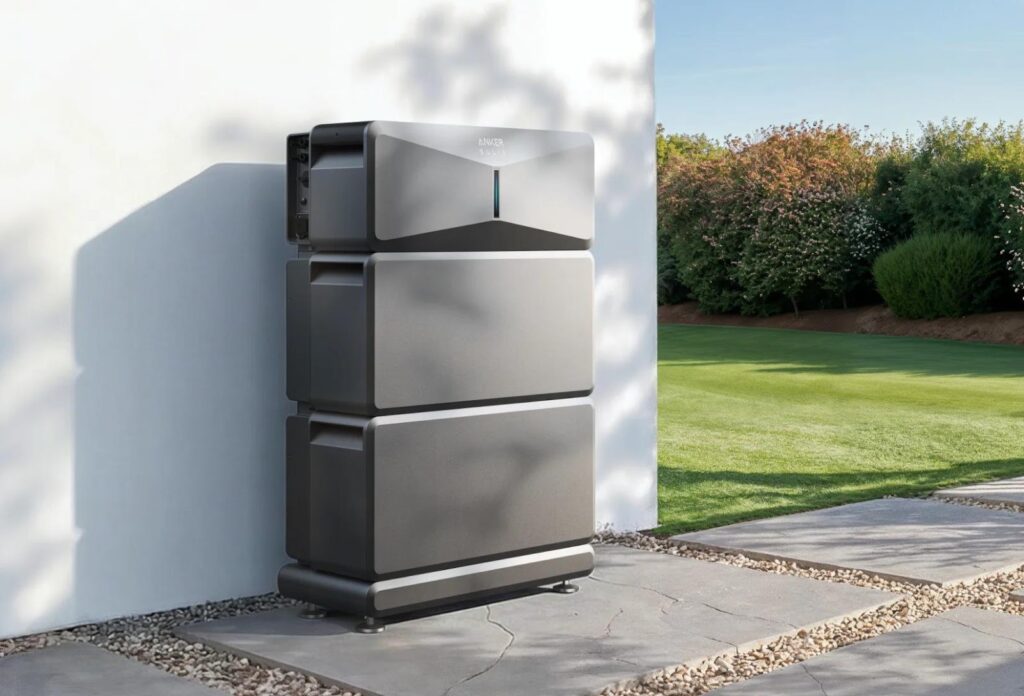
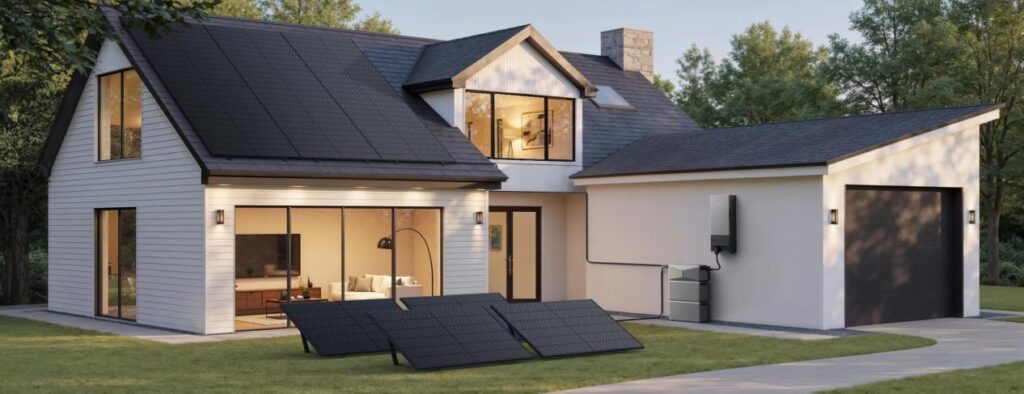
Solar panels reliably convert sunlight into electricity during the day—even on overcast days—powering a home’s lights, appliances, and electronics in real time. Any surplus energy generated doesn’t go to waste; instead, it can be stored for later use, which proves especially valuable in areas prone to outages or with unstable grids. This daytime production aligns well with household rhythms, as activities like laundry and cooking often coincide with peak sunlight. For true energy independence, solar systems can be paired with advanced storage solutions. Take the Anker SOLIX E10 as an example: designed to capture excess solar power by day, it delivers reliable energy support after the sun goes down. With scalable capacity reaching tens of kilowatt-hours and high solar input compatibility, it meets real-world household demand seamlessly.
Excess Power is Saved in the Battery, Not Sent to the Grid
When a solar battery is installed, excess electricity is stored locally rather than immediately exported back to the grid. This stored energy becomes a personal reserve that can be drawn upon during outages or peak pricing hours. For everyday life, this means the energy produced at noon can later run lights, refrigerators, or internet equipment after sunset. A solar battery helps smooth out the natural ups and downs of solar production, making home energy use more predictable. Over time, this approach can also reduce dependence on utility companies and limit exposure to rising electricity costs. The result is a system that feels less abstract and more like a household appliance quietly working in the background.
2. It Automatically Switches On When the Grid Fails
An Inverter Manages the Transition to Backup Power
During a power outage, speed and reliability matter, especially for homes with medical devices or remote work needs. A solar battery system uses an inverter to detect grid failure and immediately redirect stored energy to the home. This process happens automatically, without requiring manual switches or technical knowledge. For most households, the transition is so fast that clocks may not even reset. The inverter also ensures electricity is delivered at the correct voltage and frequency, protecting sensitive electronics. This seamless operation allows daily routines to continue with minimal disruption.
Critical Circuits Stay Powered Within Seconds
Many systems are configured to prioritize essential circuits, such as refrigeration, lighting, heating controls, and communication devices. When the grid goes down, these circuits receive power from the battery almost instantly. This rapid response prevents food spoilage, maintains indoor comfort, and keeps phones and laptops charged. In practical terms, it can mean the difference between a minor inconvenience and a stressful emergency. For families with children or elderly members, this reliability adds a layer of security that is difficult to replicate with temporary solutions. The technology works quietly and consistently, making it suitable for everyday living rather than only rare emergencies.
3. You Can Power Essential Appliances
Run Lights, Refrigerators, and Medical Devices
A solar battery is designed to handle the appliances that matter most during an outage. Basic lighting keeps homes safe and usable after dark, while refrigerators protect perishable food. In some households, medical devices such as oxygen concentrators or powered beds are critical and cannot afford interruptions. A properly sized battery system can support these needs without the noise or fumes associated with fuel-based generators. This capability turns stored solar energy into a practical safeguard rather than a theoretical benefit. The focus remains on maintaining normalcy during uncertain situations.
Battery Capacity Determines How Long Backup Lasts
The duration of backup power depends largely on battery capacity and household consumption habits. Smaller systems may provide several hours of essential power, while larger setups can last days if usage is managed carefully. Everyday choices, such as limiting nonessential appliances during an outage, can significantly extend available energy. This makes users more aware of how electricity is consumed in daily life. Over time, many households find that understanding these patterns leads to more efficient habits even when the grid is functioning normally.
4. It Works Day or Night, Regardless of Weather
Use Stored Energy at Night or on Cloudy Days
Solar batteries are not limited to sunny afternoons, which is one of their most important advantages. Energy stored earlier can be used at night, during storms, or on heavily overcast days. This flexibility ensures that households are not left without power simply because sunlight is unavailable at a critical moment. In daily life, it allows routines such as cooking dinner or helping children with homework to continue uninterrupted. The system adapts to natural conditions without requiring constant attention. Reliability becomes part of the household environment rather than a special feature.
Some Systems Can Recharge from the Grid if Solar is Low
In periods of extended bad weather, some solar battery systems can recharge using grid electricity when available. This hybrid approach ensures the battery is ready for the next outage, even if solar input has been limited. It also allows households to take advantage of off-peak electricity rates where applicable. By combining solar generation with grid support, these systems offer a balanced and resilient energy strategy. This adaptability makes them suitable for a wide range of climates and living situations. The goal remains consistent access to power, regardless of external conditions.
5. It Provides Safe, Quiet, and Clean Backup
No Fuel, Fumes, or Loud Noise Like a Generator
Unlike traditional generators, solar batteries operate silently and without combustion. There is no need to store fuel, manage exhaust, or worry about carbon monoxide. This makes them safer for indoor and residential use, especially in densely populated neighborhoods. During an outage, the home environment remains calm and quiet, which is particularly valuable at night. The absence of moving engine parts also reduces maintenance requirements. For everyday households, this simplicity translates into peace of mind.
Reduces Reliance on the Grid and Lowers Carbon Footprint
Using stored solar energy during outages or peak times reduces overall reliance on centralized power generation. Over the long term, this can lower a household’s carbon footprint by maximizing the use of renewable energy. Even outside emergency situations, a solar battery supports more sustainable daily electricity use. The environmental benefit aligns naturally with practical advantages like cost savings and reliability. Clean backup power becomes part of responsible home ownership rather than a niche choice. This balance of practicality and sustainability appeals to a wide range of households.
Conclusion
A solar battery transforms solar panels from a daytime-only resource into a dependable source of emergency power. By storing excess energy, switching on automatically during outages, and supporting essential appliances, it fits seamlessly into everyday life. Its ability to operate quietly, safely, and regardless of weather conditions makes it a realistic alternative to traditional backup options. For households seeking greater energy independence and resilience, a solar battery offers both immediate reassurance and long-term value.