 By usasmooths
 A power outage exposes the difference between slow-starting backup systems and those that restore electricity almost instantly. Some generators take several seconds to crank and stabilize, while others activate before lights even flicker. Start speed affects comfort, safety, and equipment protection, making it one of the most important performance traits in any backup solution. Homeowners often wonder why one system reacts immediately while another lags behind, even when both seem similar on paper. Modern whole-home solutions, such as the Anker SOLIX E10 (Power Module + 2× Battery) combined with the Power Dock, demonstrate how different technologies respond at the moment of failure. Understanding what drives start speed lets families choose backup power that keeps their home running without interruption.
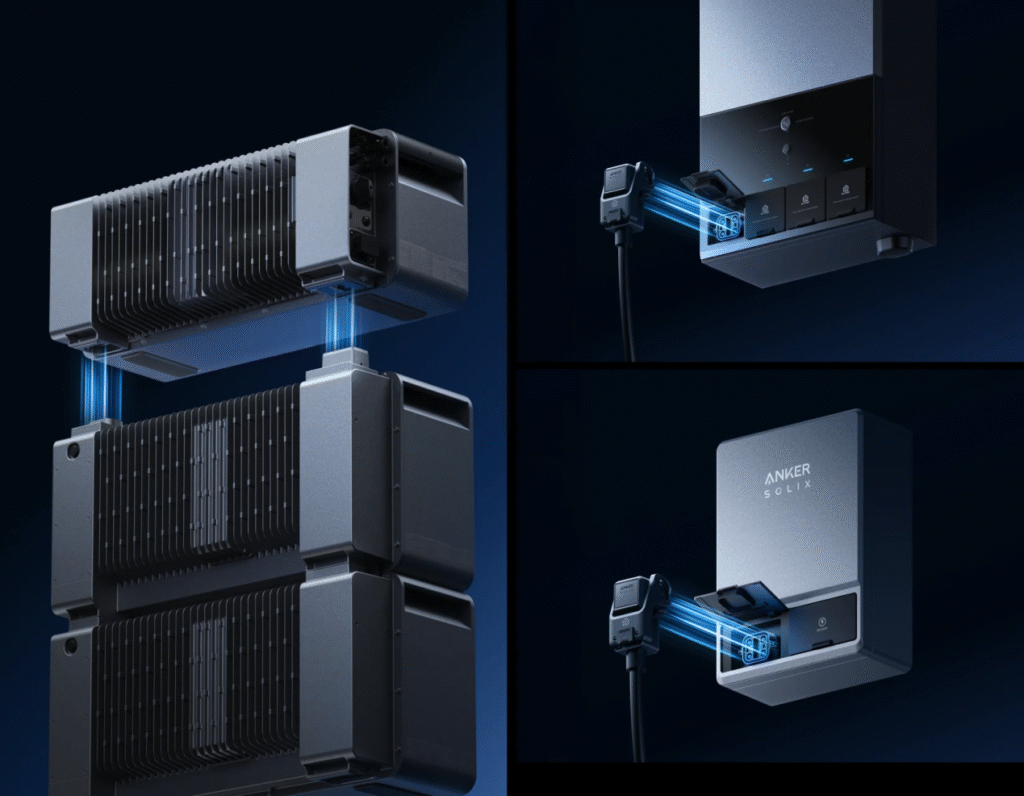
Backup systems must detect a grid failure before they can activate. The speed and precision of these sensors determine whether the response feels seamless or sluggish. Older generators rely on mechanical triggers that require noticeable drops in voltage before reacting. This delay leads to several seconds of downtime, often accompanied by flickering lights or equipment resetting. Modern systems use electronic monitoring that identifies grid instability immediately. The E10 responds within ≤20ms, so most appliances continue running without interruption. This rapid reaction isn’t limited to a single component—it results from continuous, high-resolution monitoring of incoming power. When homeowners compare systems, this detection stage often determines whether their home experiences darkness or a nearly invisible transition. Fast detection and automated logic form the backbone of instant-start performance.
Different backup technologies start in different ways, and this influences speed dramatically. Fuel-based generators require a mechanical startup process: drawing fuel, igniting the engine, stabilizing RPM, and producing usable voltage. This sequence naturally takes time, even with advanced engineering. Homes relying on these systems experience delays regardless of capacity. Battery-based systems avoid mechanical cranking altogether. They deliver stored electricity the moment power loss occurs, which explains why they offer faster activation. The E10 system provides seamless output as soon as the grid fails, delivering continuity even before appliances detect the outage. This speed advantage allows it to protect sensitive devices from resets and disruptions. The type of power source often determines whether a home experiences seconds of downtime or milliseconds of transition.
Start speed does not only refer to how fast power returns—it also refers to how quickly large appliances can resume operation. Some systems struggle to start central A/C units, furnaces, or refrigerators because they cannot deliver the required surge. Even if the generator activates quickly, these appliances may stall or restart slowly. High surge capacity solves this issue. The E10 supports the startup of large HVAC systems thanks to its strong surge performance, allowing major loads to come online smoothly. This capability prevents the “staggered startup” effect in which appliances recover slowly while waiting for stable power. Surge strength is an often-overlooked factor that contributes directly to real-world start speed and determines whether a home fully returns to normal immediately following an outage.
A generator may activate quickly, but the home’s wiring determines how evenly and quickly that power reaches devices. Many homes use selective-circuit transfer switches that route backup power to only a few breakers. This arrangement creates inconsistent recovery—some rooms light up instantly, while others stay dark. Whole-home systems overcome this limitation. The E10 connects through a 200A Power Dock, supporting the entire electrical panel at once. This design ensures every circuit regains power uniformly, which makes the start feel faster and smoother. When all outlets behave as if the grid never faltered, homeowners experience a truly seamless transition. Electrical panel configuration often determines whether a home enjoys instant backup or partial, delayed power.
Cold weather, high humidity, or long periods of inactivity often slow down traditional generators. Fuel thickens, mechanical parts stiffen, and ignition timing becomes inconsistent. These environmental factors affect cranking time even when the generator is properly maintained. Weather-resistant systems minimize these delays. The E10’s build supports reliable operation in heatwaves, blizzards, and storms, ensuring rapid response regardless of climate. Because there are no moving parts involved in the primary backup cycle, its start speed remains consistent. Homes located in harsh climates often see the biggest difference between slow-starting traditional systems and faster modern alternatives that aren’t hindered by weather-related performance limitations.
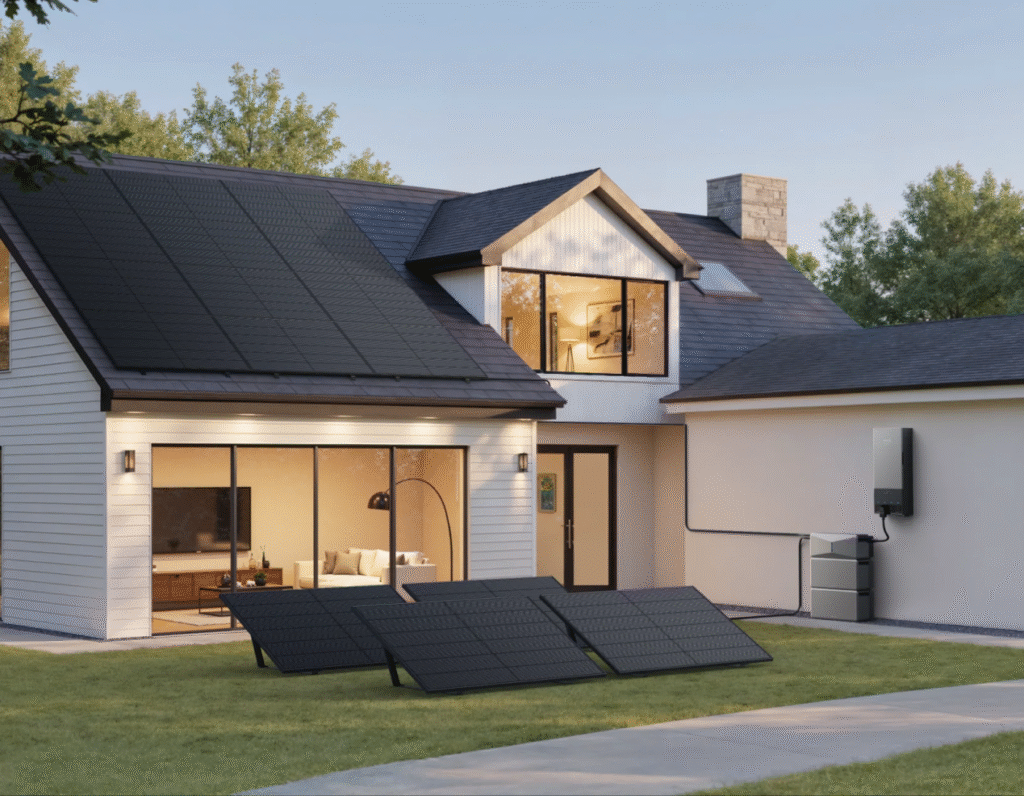
Improper installation can slow down even a high-quality home backup generator. Misconfigured sensors, mismatched wiring, or incorrectly calibrated transfer equipment all create delays. Some systems fail to recognize subtle power dips, while others wait too long before initiating the switchover sequence. Guided installation processes help eliminate these bottlenecks. The E10 system includes step-by-step resources and access to licensed electricians who configure the system for optimal responsiveness. Correct placement, clean wiring, and proper calibration ensure that the backup system reacts exactly as designed. The difference between a slow and fast start often comes down to how well the components communicate with each other. Integration quality strongly influences start performance across all home types.
Some generators start faster because they detect outages sooner, activate without mechanical delays, support high surge demands, and distribute power more efficiently throughout the home. Environmental factors and installation quality also play major roles in shaping real-world response times. Whole-home systems like the Anker SOLIX E10 with its 2× Battery and 200A Power Dock provide near-instant activation, strong surge capability, and consistent performance across all circuits. With seamless transitions measured in milliseconds, they outperform traditional systems that depend on slower mechanical processes. Even homeowners who keep a home backup generator for redundancy recognize the advantages of modern, rapid-response solutions.