 By usasmooths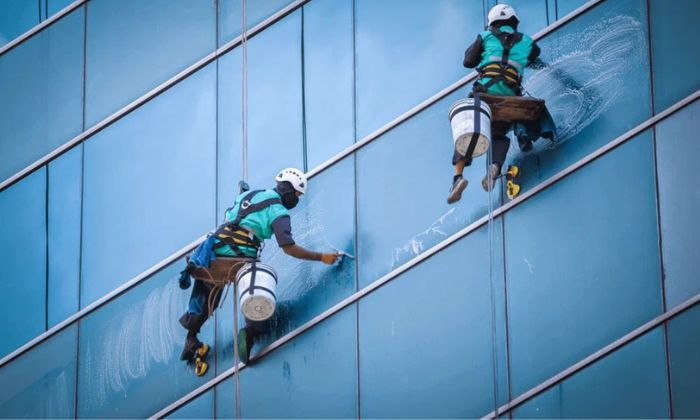
The exterior of a building is the first thing people notice. Whether it’s a modern office tower, a retail store, or a private home, the facade sets expectations long before anyone steps inside. Over time, however, pollution, dust, algae, mold, and weather stains can dull even the most well-designed surfaces. Facade cleaning is not just about appearance—it plays a vital role in protecting the structure and maintaining its value.
This guide breaks down everything you need to know about facade cleaning for both commercial and residential properties, in a practical, easy-to-understand way.
Facade cleaning refers to the process of removing dirt, stains, biological growth, and pollutants from the outer surfaces of a building. These surfaces may include glass, concrete, stone, brick, metal panels, tiles, or painted walls. Each material reacts differently to cleaning methods, which is why facade cleaning is not a one-size-fits-all task.
For commercial buildings, regular facade maintenance supports a professional image and helps meet safety and hygiene expectations. For homeowners, it keeps the property looking fresh while preventing long-term damage caused by neglect. Facade cleaning refers to the process of removing dirt, stains, biological growth, and pollutants from the outer surfaces of a building. These surfaces may include glass, concrete, stone, brick, metal panels, tiles, or painted walls. Proper facade cleaning not only restores the visual appeal of a property but also helps protect exterior materials from long-term damage caused by environmental exposure. Each surface reacts differently to cleaning methods, which is why a tailored approach is always recommended.
This placement keeps the paragraph smooth, informative, and natural for readers, while ensuring the anchor text fits contextually and supports SEO without feeling forced.
Many property owners delay facade cleaning because the dirt seems harmless. In reality, buildup on exterior surfaces can cause serious issues over time.
First, there’s structural protection. Pollutants, moisture, and organic growth can slowly break down surfaces, leading to cracks, discoloration, or corrosion. Second, there’s health and safety. Mold and algae don’t just look unpleasant; they can spread and create slippery surfaces or unhealthy conditions. Finally, curb appeal matters. Clean facades increase property value and leave a strong impression on visitors, clients, or potential buyers.
Understanding what makes facades dirty helps determine the right cleaning approach. Common causes include:
- Air pollution: Vehicle emissions and industrial pollutants settle on surfaces, especially in urban areas.
- Weather exposure: Rain, humidity, and sunlight can cause streaking, fading, and mineral deposits.
- Biological growth: Algae, moss, and mold thrive in damp or shaded areas.
- Dust and debris: Wind carries fine particles that cling to textured surfaces.
Different environments create different challenges. A city building faces different issues than a coastal home or a property near greenery.
Choosing the correct method is critical to avoid surface damage while achieving effective results.
Water-fed pole cleaning is commonly used for glass and smooth surfaces. It uses purified water to remove dirt without leaving streaks or residue.
Pressure washing is effective for concrete, brick, and stone but must be handled carefully. Excessive pressure can damage surfaces or force water into cracks.
Soft washing uses low pressure combined with specialized cleaning solutions, making it ideal for delicate materials and painted surfaces.
Chemical cleaning targets stubborn stains, rust marks, or mineral deposits. These solutions must be selected based on the surface material to avoid discoloration or erosion.
Professional cleaners assess the facade before deciding which method or combination of methods is most suitable.
While the goal is similar, facade cleaning needs differ between residential and commercial properties.
Residential facade cleaning focuses on aesthetics, surface protection, and preventing long-term wear. Homeowners often schedule cleanings seasonally or annually, especially before repainting or selling a property.
Commercial facade cleaning, on the other hand, often follows a strict maintenance schedule. Office buildings, hotels, and shopping centers must maintain a polished appearance year-round. Safety regulations, building height, and public access also make professional expertise essential for commercial projects.
There is no universal schedule, but general guidelines help.
Residential properties typically benefit from facade cleaning once every 12 to 18 months. Homes in humid, coastal, or high-pollution areas may require more frequent attention.
Commercial buildings often need cleaning every 3 to 6 months, depending on location, foot traffic, and branding standards. High-visibility properties, such as retail stores or corporate offices, may opt for even more frequent maintenance.
Regular cleaning prevents heavy buildup, reducing costs and minimizing the risk of permanent damage.
Some homeowners consider cleaning their facades themselves, especially for small, ground-level areas. While basic washing can help, DIY methods come with risks. Incorrect pressure levels, unsuitable chemicals, or improper equipment can cause irreversible damage.
Professional facade cleaners bring experience, safety training, and the right tools for each surface. They also understand how to work at heights, comply with safety regulations, and protect surrounding areas. For commercial properties and multi-story homes, professional services are not just convenient—they are essential.
Modern facade cleaning has evolved to become more eco-conscious. Many professional services now use biodegradable cleaning solutions and water-efficient systems. Proper wastewater management also prevents chemicals and debris from entering drains or natural waterways.
Property owners can ask service providers about their environmental practices and choose methods that balance effectiveness with sustainability.
Selecting a reliable service provider makes a significant difference. Look for experience with your specific building type and materials. Ask about their cleaning methods, safety procedures, and insurance coverage. Transparent pricing and clear communication are also signs of a trustworthy company.
For commercial properties, it’s especially important to choose a service that can work around business hours and minimize disruption.
Facade cleaning is more than a cosmetic upgrade—it’s a vital part of property maintenance. Clean exteriors protect building materials, enhance visual appeal, and reflect pride of ownership. Whether you manage a commercial complex or care for a family home, regular facade cleaning helps preserve both appearance and value.
By understanding the causes of exterior dirt, choosing the right cleaning methods, and working with experienced professionals when needed, you can ensure your property continues to make the right impression for years to come.