 By usasmooths
 PTZ cameras offer unparalleled versatility and performance for modern surveillance needs. Their dynamic ability to pan, tilt, and zoom provides comprehensive and adaptable monitoring, capturing crucial details from varying angles. On the other hand, fixed cameras, with their static field of view, remain limited in their scope. As individuals and businesses seek robust security solutions, understanding the core advantages and applications of PTZ cameras over traditional fixed models can help make informed decisions. Exploring the functionalities and benefits, this article delves into why PTZ cameras are rapidly becoming the preferred choice for expansive and detailed surveillance systems.
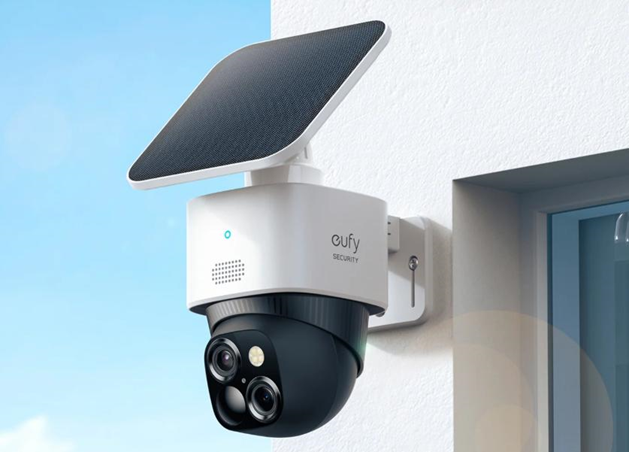
PTZ cameras can change angles dynamically, while fixed cameras remain static. This means PTZ cameras can monitor larger areas by maneuvering, whereas fixed cameras offer continuous observation without movement. Each serves distinct roles based on specific surveillance needs.
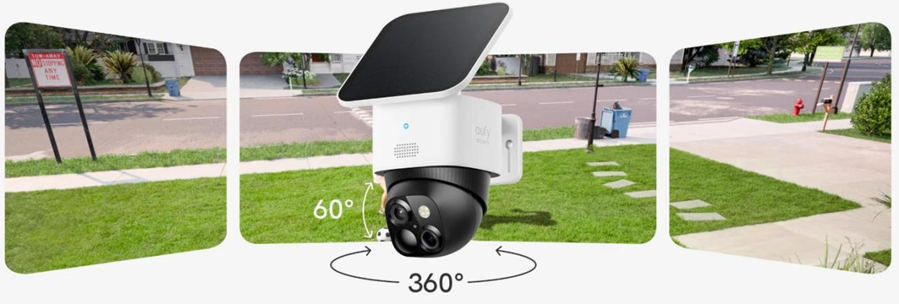
PTZ cameras provide unmatched flexibility, thanks to their ability to pan, tilt, and zoom. Users can remotely control these functions, allowing the camera to rotate horizontally (pan) and vertically (tilt) to monitor different areas within its range. The zoom capability further enhances the camera’s ability to focus on specific details, vital for capturing clear images from afar. PTZ technology allows active surveillance, enabling operators to respond to events in real time and adjust views instantly. For instance, following a suspect or honing in on a vital detail becomes seamless with PTZ cameras, making them ideal for environments requiring versatile and responsive solutions.
Fixed cameras offer a constant, unchanging field of vision. Installed to monitor specific areas, they provide reliable coverage with no movement capability. Their simplicity means there’s no need for remote controls, motors, or complex setups to function. Fixed cameras excel in monitoring high-traffic zones, such as entrances, where consistent observation is crucial. Their straightforward design ensures permanence in view, making them effective for specific surveillance tasks. By capturing continuous footage of designated areas, fixed cameras prove indispensable for sites needing unwavering observation without the intricacies of dynamic adjustments.
PTZ cameras excel through dynamic surveillance features, covering wide areas efficiently and zooming for close-up detail, offering active tracking capabilities.
PTZ cameras stand out by covering expansive areas with minimal units. Their ability to pan and tilt allows them to survey large spaces, reducing the need for multiple stationary cameras. This versatility means fewer installations are required to monitor entire buildings, parking lots, or open fields, optimizing security investment and infrastructure. Users can direct PTZ cameras remotely, adjusting angles and monitoring diverse zones seamlessly. This capacity is ideal for businesses seeking comprehensive coverage without cluttering premises with numerous cameras. The reduction in hardware also simplifies maintenance and reduces costs, making the PTZ camera practical for both large and small-scale security operations.
One of the standout features of PTZ cameras is their zoom ability, allowing for close-up monitoring of specific areas or events. Operators can easily magnify particular sections of a live feed to capture detailed images, ensuring vital elements are clearly visible. This feature is indispensable during investigations, enabling security personnel to hone in on critical incidents or identify subjects with precision. By combining wide area surveillance with precise zoom capabilities, PTZ cameras offer comprehensive security coverage. Users benefit from the flexibility to switch between broader views and focused observations, making PTZ cameras exceptionally useful for both general monitoring and detailed analysis.
PTZ cameras facilitate dynamic tracking and active surveillance, responding in real-time to evolving situations. With the ability to follow moving subjects actively, these cameras offer instant adjustments—helpful in tracking individuals or vehicles through complex environments. Owners can program PTZ cameras to patrol areas automatically or use manual controls to direct focus as needed. This functionality allows users to monitor specific events closely, pivoting as situations unfold without delay. The camera’s responsiveness ensures comprehensive area coverage and timely intervention, making PTZ cameras ideal for environments requiring constant vigilance and adaptable surveillance methods.
Despite PTZ advantages, fixed cameras remain crucial for consistent coverage of key locations, offering reliability and cost-effectiveness.
Fixed cameras provide a dependable, always-on perspective, ensuring vital areas are consistently monitored. Their static nature means a focused view on strategic locations, such as entryways or exits, where uninterrupted observation is essential. With no moving parts, fixed cameras deliver steady footage without adjustment, offering reliability where continuous coverage is required. This feature is particularly valuable in security designs prioritizing permanence in specific zones. Users benefit from predictable surveillance, capturing ongoing activity confidently. For scenarios demanding constant visibility without the dynamics of PTZ models, fixed cameras remain a steadfast choice.
Fixed cameras are often more economical, with straightforward installation processes. Their design lacks complex mechanics, simplifying deployment and reducing initial expenses. Fixed models require minimal maintenance due to their static functionality, translating into lower operational costs over time. This makes them an attractive option for budget-conscious users, offering reliable surveillance without significant investment. Businesses and homeowners can benefit from reduced setup complexity, ensuring quick integration into existing systems. For security installations prioritizing efficiency and affordability, fixed cameras prove practical, delivering essential observation capabilities cost-effectively.
Choosing between PTZ and fixed cameras depends on specific surveillance needs. PTZ cameras excel in dynamic, wide-range monitoring, offering flexibility, zoom capabilities, and active tracking. They suit environments demanding responsive and comprehensive security solutions. Conversely, fixed cameras provide consistent views efficiently, ideal for areas requiring uninterrupted coverage at lower costs. Understanding the strengths of each type helps users implement effective surveillance strategies. By evaluating requirements, budget, and scale, individuals and businesses can tailor security systems to their needs, leveraging the distinct benefits both camera types offer for optimal protection.