 By usasmooths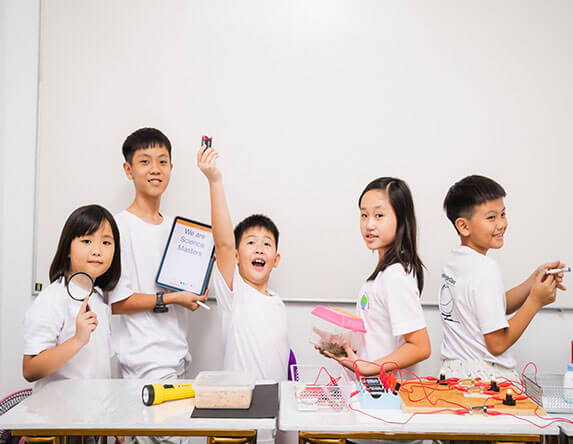
As parents, we all want the best for our kids, especially when it comes to education. Science, in particular, can spark incredible curiosity in young minds—from wondering how rainbows form to figuring out why magnets stick together. However, in busy primary school classrooms, that excitement sometimes fades amid large class sizes and limited time for experiments.
A good science tuition centre can change all that. It’s more than just extra classes; it’s about building a strong foundation, boosting confidence, and fostering a genuine love for the subject. In this article, we’ll explore the key reasons why choosing the right science tuition centre for primary students is a smart move.
Building Strong Foundations Early On
Primary school is when children first encounter core science concepts like the life cycle of plants, basic forces, or the states of matter. These ideas form the building blocks for everything they’ll learn later.
In regular schools, teachers often rush through topics to cover the syllabus, leaving some kids confused. A dedicated tuition centre focuses solely on science, breaking down complex ideas into bite-sized, understandable parts.
With smaller groups, tutors can ensure every child grasps the basics before moving forward. This early clarity prevents gaps that could widen in secondary school, making future topics like chemistry or physics much easier to handle.
Hands-On Learning That Makes Science Come Alive
One of the biggest drawbacks of school science lessons is the lack of practical activities. Time constraints mean many concepts stay confined to textbooks. Quality tuition centres prioritise hands-on experiments, especially a good science tuition centre for primary students that brings concepts to life through interactive sessions. Kids get to mix safe chemicals to see reactions, build simple circuits, or observe plant growth up close.
These activities turn abstract theories into memorable experiences. For example, watching a volcano model erupt with baking soda and vinegar helps children understand chemical reactions far better than reading about them.This approach not only improves understanding but also makes learning fun, keeping children engaged and eager for more.
Personalised Attention for Every Learner
No two children learn the same way. Some grasp ideas quickly through visuals, while others need repetition or real-life examples.
In a typical classroom of 30 or more students, individual needs often go unnoticed. Tuition centres, with their smaller class sizes, offer the personalised guidance that schools sometimes can’t provide.
Tutors can identify struggles early—whether it’s mixing up evaporation and condensation—and tailor explanations accordingly. This targeted support helps children progress at their own pace, building both skills and self-assurance.
Boosting Confidence and Critical Thinking
Many primary students feel anxious about science if they don’t “get it” right away. Repeated confusion can lead to disinterest or even avoidance.A supportive tuition environment celebrates small wins and encourages questions without judgment. As children succeed in experiments and quizzes, their confidence grows.
Moreover, good centres teach critical thinking by promoting the scientific method: observing, hypothesising, testing, and concluding. Kids learn that mistakes are part of discovery, a valuable lesson that extends beyond science.This newfound confidence often shows up in school, with children participating more actively and tackling challenges head-on.
Preparing for Future Academic Success
Science becomes increasingly demanding in secondary school and beyond. Strong primary-level knowledge gives children a significant advantage.Tuition centres often align their teaching with national curricula, reinforcing school lessons while introducing enriching extensions. Improved exam performance is a common outcome, but the benefits go deeper.
Early mastery opens doors to STEM fields later in life. In today’s world, where jobs in technology, engineering, and research are booming, nurturing scientific interest young can shape rewarding career paths.
The Social and Emotional Benefits
Tuition isn’t just about academics; it’s a social space too. Children interact with peers who share their curiosity, working together on group projects like designing eco-friendly models.
These collaborations teach teamwork, communication, and respect for different ideas. In a nurturing setting, kids form friendships and feel part of a community of young scientists.Parents often notice their children becoming more outgoing and enthusiastic about sharing what they’ve learned at home.
Choosing the Right Tuition Centre
Not every centre delivers the same quality. Look for experienced, passionate tutors with teaching qualifications.
Check facilities—well-equipped labs, safe materials, and engaging resources make a difference. Read parent reviews and visit sessions to see the atmosphere firsthand.Flexible schedules and reasonable fees are practical considerations, ensuring the experience complements rather than overwhelms your child’s routine.
Final Thoughts: An Investment Worth Making
Enrolling your primary school child in a reputable science tuition centre isn’t about pressure—it’s about opportunity.It strengthens foundations, ignites passion, builds essential skills, and sets the stage for lifelong learning. If your child shows even a flicker of interest in science, or needs a gentle push to shine, the right centre can make all the difference.
Take the time to explore options in your area. Talk to other parents, attend trial classes, and watch for that spark in your child’s eyes. Investing in their scientific journey today could inspire the innovators and problem-solvers of tomorrow.