 By usasmooths
Power banks have become indispensable tools for individuals who rely on their smartphones all day. With technological improvements, consumers now have the choice of using wireless or connected power banks. Both are convenient, but understanding the fundamental differences in functionality, charging speed, and mobility is critical before making a buying decision. This blog compares wireless and wired power banks, focusing on performance, technical characteristics, and how each may be integrated into your everyday routine. Understanding these distinctions will help you pick the best solution, whether you are a regular traveler or want reliable backup power.
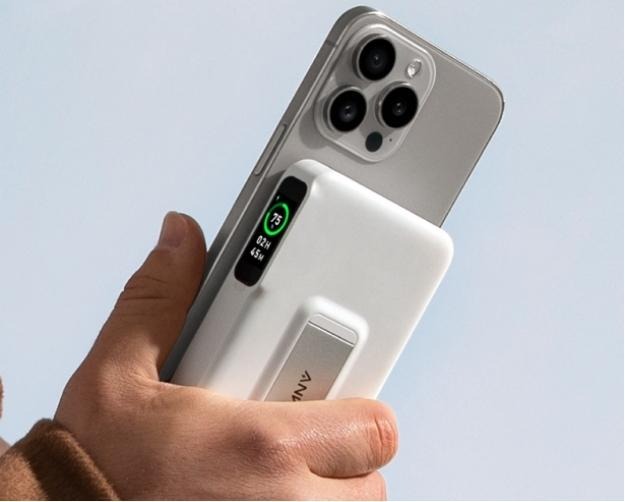
Wireless power banks employ a technique known as Qi charging, which allows devices to charge without the need for physical connections. The power bank generates an electromagnetic field that sends energy to a device’s receiver coil. To charge wirelessly, simply set the device on the power bank if it supports wireless charging. These power banks are frequently more handy and need fewer wires, although they charge more slowly than wired counterparts. The main advantage is their convenience, as they provide hassle-free charging while on the go, especially for current smartphones and wireless-enabled devices.
Wired power banks work by connecting directly to a device via a USB connection, which transfers the power bank’s electrical charge to the device’s charging port. These power banks generally employ lithium-ion or lithium-polymer batteries to store energy and provide one or more USB output ports for charging devices. When you insert the gadget into the power bank, it charges at a pace dictated by the bank’s output power and the device’s charging capacity. Wired power banks charge devices more quickly and more reliably, particularly for devices that do not allow wireless charging.
The primary technological differences between wireless and cable power banks are charging speed, compatibility, and energy transfer efficiency. Because of the direct connection, wired power banks often charge faster, with the majority of products enabling rapid charging methods such as Quick Charge or Power Delivery. Wireless power banks, on the other hand, are slower due to inefficient energy transmission via electromagnetic induction. In terms of compatibility, wireless power banks are only compatible with devices that enable Qi charging, but cable variants are compatible with nearly any USB-powered device. Wired power banks also often have larger energy capacity and longer charging periods.
Wired power banks charge faster and more efficiently than wireless ones. Wired power banks can give higher output by transferring power directly through a cable, allowing gadgets to charge quickly. Many wired versions offer fast-charging protocols, such as Quick Charge or USB Power Delivery, which ensure that energy is delivered quickly to compatible devices. Wireless power banks, while handy, transfer energy inefficiently owing to wireless technological restrictions, resulting in slower charge times. Wired power banks are often the best solution for consumers who are in a rush or need to charge many devices rapidly.
Wireless power banks score higher in portability and ease of use. Without the need for a cable, a wireless power bank offers a simpler charging experience. Simply placing a phone on the wireless power bank initiates the charging process. This avoids the problem of tangled cords and the requirement for extra equipment. Wired power banks, on the other hand, need the user to provide the necessary cords, which might be inconvenient for frequent travelers or minimalists. Although wireless power banks are often somewhat larger than wired versions, their wire-free design makes them an appealing option for everyday use.
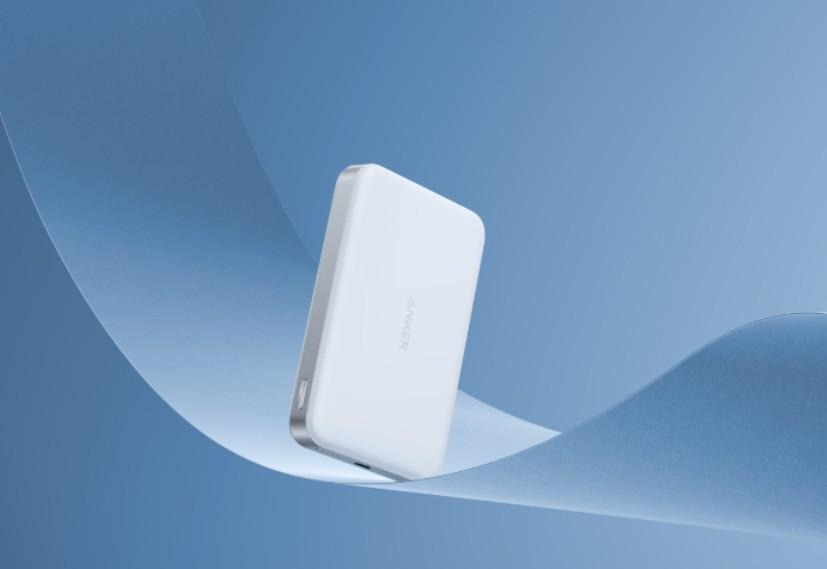
Wired power banks are known for being more dependable since they create a steady connection between the device and the power bank. They are also more compatible with a larger range of devices, particularly those that do not support wireless charging. From a safety perspective, wired power banks often have overcurrent and overcharging protection. Wireless power banks, while usually safe, can be less dependable when charging bigger devices or from a distance, and not all devices support Qi wireless charging. Many wireless versions now include comparable safety features, such as temperature regulation and surge protection.
Choosing between wireless and wired power banks is determined by a variety of criteria, including charging speed, portability, and device compatibility. If you want rapid charging and efficiency, a connected power bank is the best option. It’s great for people who need to charge their gadgets rapidly and reliably. If convenience and mobility are your main requirements, wireless power banks are an excellent choice. They eliminate the need for cords, making them perfect for those who own Qi-enabled devices. When making your selection, think about how frequently you need to charge your gadgets, if you’re on the road, and what kind of devices you own. If you value simplicity, wireless may be the way to go, but if speed is important, a wired power bank will most likely serve you better.
In conclusion, the decision depends on personal needs because both wired and wireless power banks offer distinct advantages and disadvantages. Wireless power banks provide a cable-free charging experience and are incredibly portable and user-friendly. In contrast to wired devices, which offer quicker and more dependable charging, they are slower and less effective. Whether you value compatibility, speed, or convenience, the best option ultimately depends on your daily charging requirements. You may choose the ideal power bank for your requirements by being aware of the main distinctions and taking your lifestyle into account.