 By usasmooths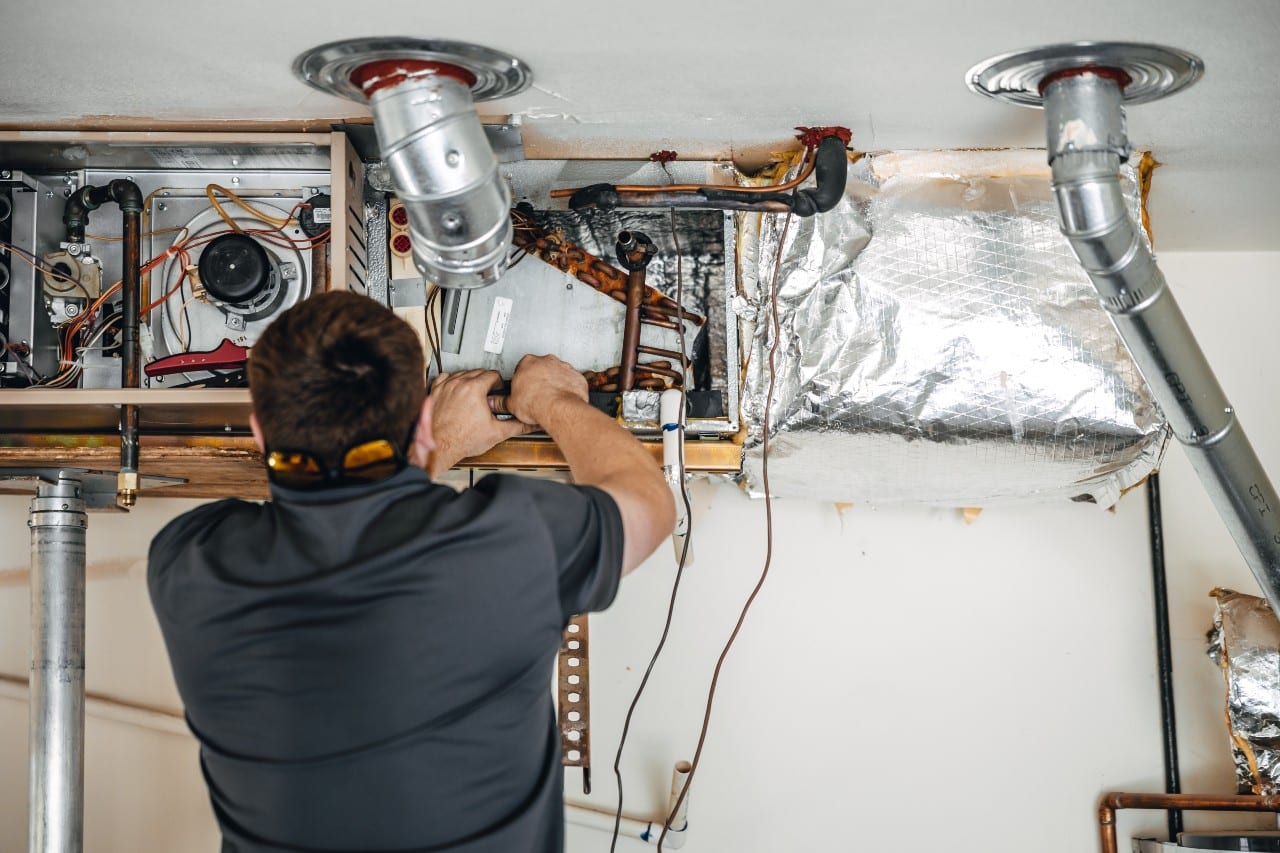
A well-maintained furnace delivers consistent indoor temperatures and reliable heating performance. Furnace repair addresses emerging issues, prevents further damage, and helps extend the heating system’s overall lifespan. Here are a few signs that indicate you need furnace repair:
Noises like banging, screeching, and rattling can occur when parts are loose or need lubrication. An HVAC contractor will inspect and repair loose or worn parts, such as the blower wheel. Persistent noises from the unit may result from something as simple as loose screws, which can affect the blower wheel’s rotation. Buzzing indicates an electrical issue, a failing compressor, or a faulty relay switch. Continuous grinding noises from worn bearings point to more serious mechanical issues, in which case the unit may need repair. Changes in performance or unusual sounds signal compressor problems; these issues interfere with the system’s ability to move air through the home.
It is normal for a small amount of moisture to be near a working furnace, but visible puddling or ongoing dampness indicates a problem. Leaks in the unit cause moisture buildup. This moisture promotes mold growth, which affects indoor air quality and the health of the home’s occupants. Excessive moisture near a furnace can corrode metal components and reduce overall system efficiency over time.
If you notice dust on surfaces such as tables, dressers, and end tables more frequently, your furnace may be contributing to it. Dirty filters or worn belts can lead to an increase in household dust. As the unit remains dirty, it blows dust more intensely, spreading particles throughout the living space. Accumulated dirt inside the system may accelerate wear on internal components and raise the risk of electrical shortages. Cleaning filters and scheduling a furnace repair visit allows a technician to inspect the unit and address needed repairs.
A sulfur or rotten-egg smell is commonly linked to natural gas, and safety agencies often advise treating this type of odor with caution. To help rule out certain mechanical issues, you may choose to observe the pilot light on gas-powered equipment. If the flame appears a color other than steady blue, such as yellow or orange, it can suggest that combustion is not occurring as intended or that maintenance may be needed. Ongoing or strong odors coming from your unit indicate wear, airflow problems, or aging components. They can be a reason to discuss AC or furnace replacement options with a qualified contractor. Smoke-like or burning smells may be associated with overheating motors or dust buildup, and these situations typically warrant prompt evaluation by a professional.
Contacting a qualified HVAC company at the first signs of unusual noises, water buildup, or odors helps prevent further damage to the heating unit. They identify signs of disrepair and assess whether you need a maintenance service. While your furnace heater may be involved, some issues might stem from your ductwork or related components. To receive an appropriate furnace repair or replacement recommendation, call HVAC professionals and have your system inspected.